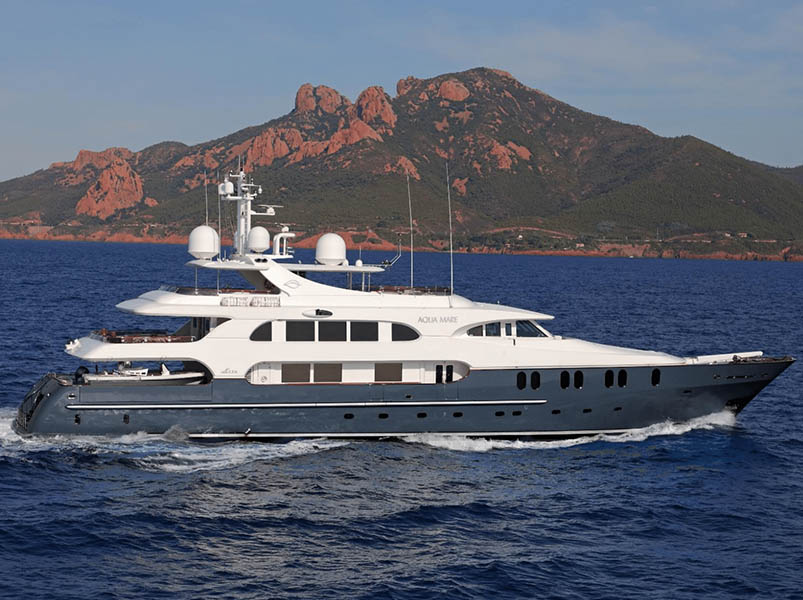
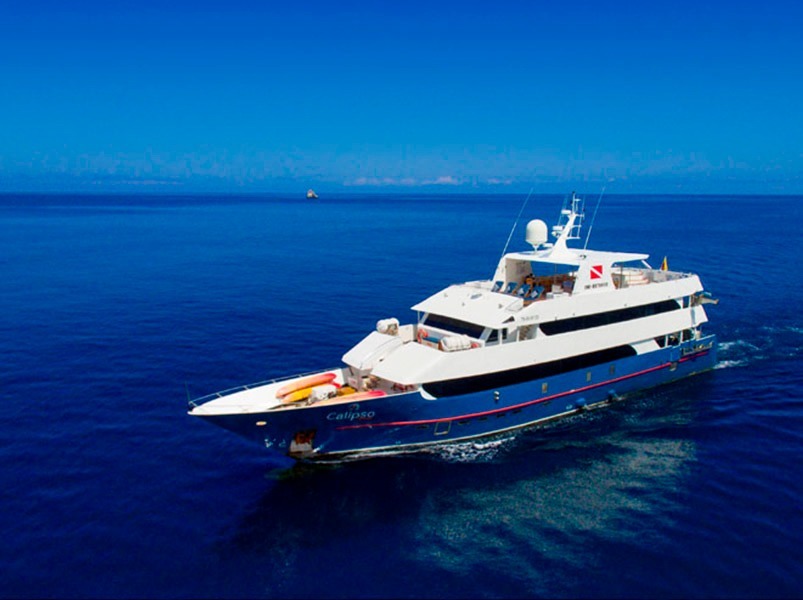
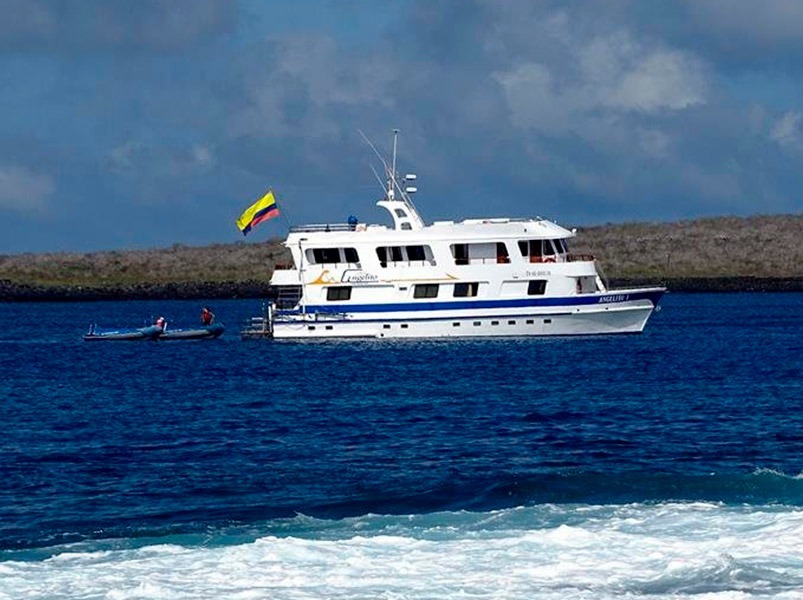
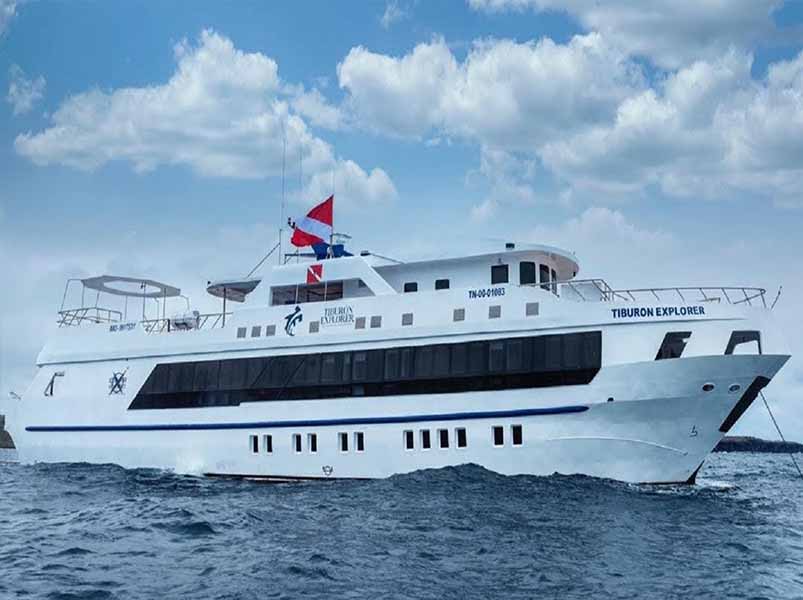
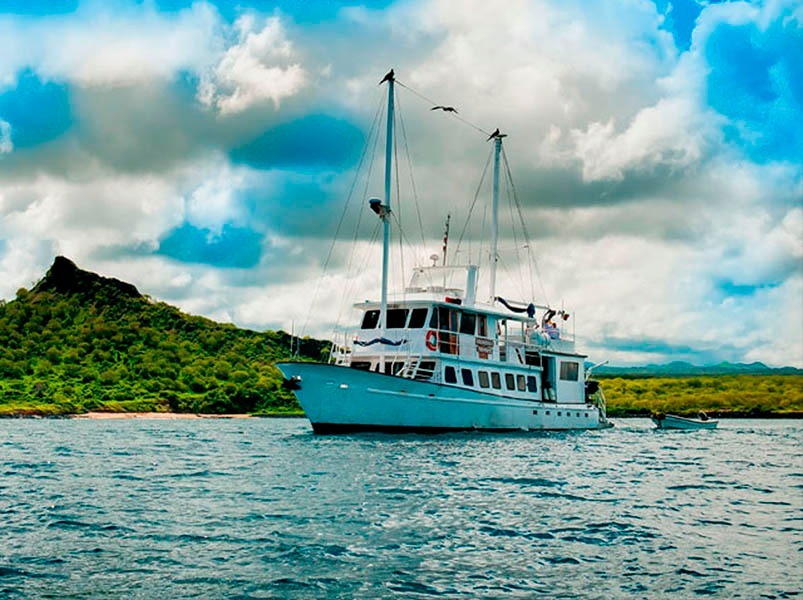
Galapagos travel advisor provides an easy online guide to assist you with the planning of your trip to the Galapagos Islands & Ecuador.Comprehensive Galapagos travel directories of hotels and accommodation, Cruise boats & expedition ships, tours and travel packages and more are all accessible from one Galapagos Islands megasite!
Information about popular destinations and Galapagos Islands "must-see" attractions in the Islands and in Ecuador, and a comprehensive set of Galapagos Islands & Ecuador maps, is provided as well as information for each Island in the archipelago.
We offer you the contact information for the Galapagos Islands tour operators, owners of hotels, cruise boats and travel outfitters so you can deal direct and save on your bookings / galapagos - travel - advisor .com does not take commissions on bookings. Full contact details, photographs, maps and descriptions of facilities or services offered, are provided for all service providers inthe Galapagos Islands be these: accommodation, cruise, tours and service suppliers, and all enquiries go directly to the establishments and Galapagos tour operators of your choice. If you wish to make reservations we recommend a Galapagos Cruise reservation center.
The best part of it all is that you get to review each Galapagos Islands yacht, ship, hotel, lodge, restaurant and tour operator and write a report advising other travellers. You also get to read Galapagos travel reviews written by real travellers.
If something is not correct you get to make it right, after you travel you can post your Galapagos travel journal or join in on our Galapagos Islands travel forum and offer real time advice to fellow travellers. Our forum also helps people find travel companions or put a group together and save money.
Join our Galapagos Islands travel community and see how easy it is to plan a trip to the Enchanted Isles with our online guide.